

Mechanical rodding
Effective cleaning for your pipelines
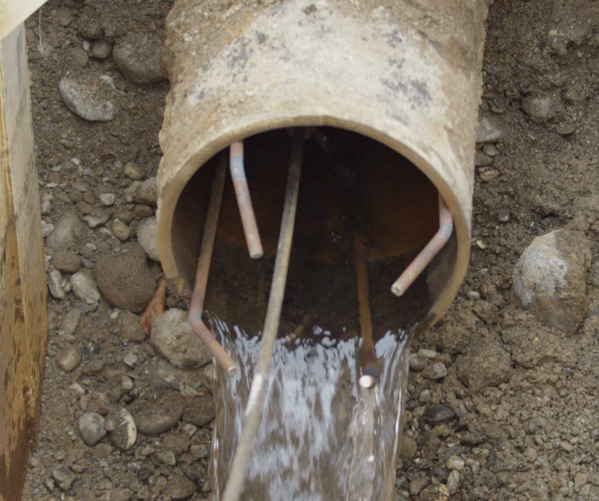
This solution is a mechanical cleaning method. Against a counter-flow of water, a metal cleaning tool mounted on flexible steel rods is inserted into the pipeline. As the rods are pushed in one after another, a rotating motion is applied to them.
The friction of the tool’s arms against the wall dislodges the deposits, grinds them and the counter-flow of water flushes them out. The laden water then settles in the excavation, making it possible to pump the clear water into a drainage network.
See in the diagram below how this method works, step by step, to ensure thorough cleaning.

.png)
Environmental impact
Like all our solutions at ART Europe, mechanical rodding is part of an environmentally friendly approach. Unlike other processes that use chemicals or solvents, our method relies exclusively on mechanical tools and water, making it non-polluting and sustainable.

Mechanical rodding process steps
1
Mobile mechanical rodding unit
The first step is to isolate the pipeline section concerned and set up our mobile mechanical rodding unit

Scouring the walls
Once the rods are in place, the rotating cleaning tool is inserted into the pipeline. It is designed to scrape and scrub the inner walls, removing encrusted residues such as limescale, sludge, grease and organic matter
2
Recovering the deposits
As the rodding tool advances, the residues are drawn out and flushed from the pipeline. They are then captured by our filtration system and disposed of in an environmentally friendly way
3
Pumping unit and water discharge
Once rodding is complete, a final flush is carried out using a pumping unit. Pressurised water removes the last residues and confirms that the pipeline is completely clean
4
Watch our mechanical rodding method
WATCH THE FOLLOWING VIDEO
ANY QUESTIONS?
Mechanical rodding is better suited to heavily obstructed pipelines or those with hard, encrusted deposits. It uses a rotating tool that scrapes the walls, whereas soft pigging is ideal for routine maintenance or for more flexible pipelines that need gentler cleaning.
Absolutely. Our process is designed to be safe for drinking water networks. We comply with the strictest European hygiene and safety standards.
No, our process is safe and non-destructive. The cleaning tool is designed to scrub the walls without damaging them. It is particularly suitable for metal, concrete or PVC infrastructure.
see our chemical cleaning and passivation work


Our teams in action
See some of our work in pictures



_edited.jpg)
LET’S STAY
IN TOUCH
Follow us on social media
so you never miss an update!